Partnering With Psychiatry (LTC, SNF)
Josh Hilton • April 1, 2026
Partnering with Baseline (SNF, LTC) in Phoenix

The body content of your post goes here. To edit this text, click on it and delete this default text and start typing your own or paste your own from a different source.

What are we doing here?
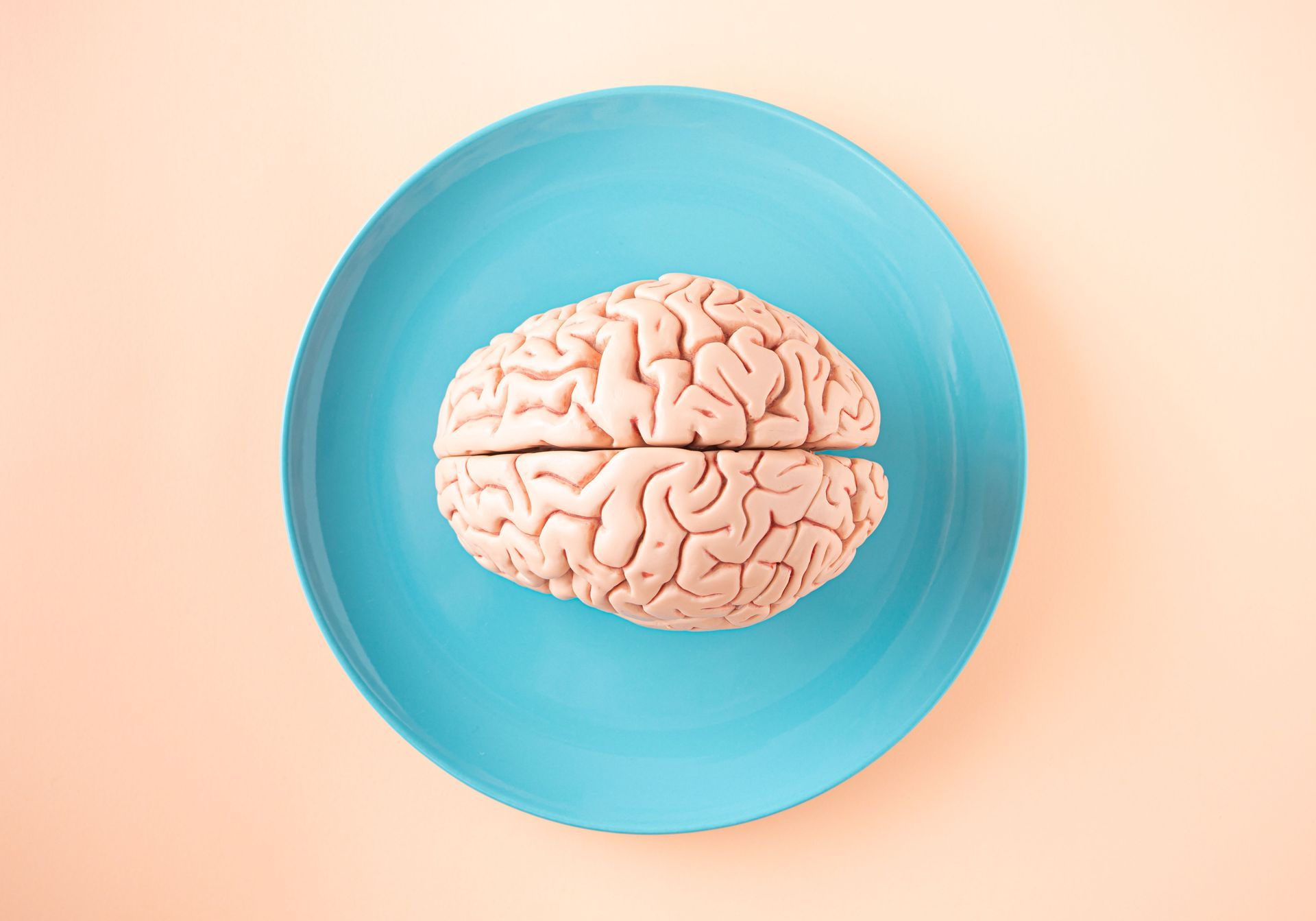
TMS Therapy for Depression in Phoenix, AZ

Why Sleep May Be the Missing Link in Mental Health and Athletic Performance Athletes often focus on training harder, eating cleaner, and pushing through adversity. But one of the most overlooked factors in both mental health and athletic performance is sleep. Recent research in sports psychiatry and performance medicine continues to show that sleep quality directly impacts mood, anxiety, focus, recovery, and resilience. Poor sleep doesn’t just cause fatigue. It can worsen symptoms of anxiety, depression, irritability, burnout, ADHD, and emotional regulation. For student athletes and high performers, chronic sleep disruption may also increase injury risk, impair reaction time, and reduce motivation. At Baseline Psychiatry , we increasingly view sleep as a foundational part of mental health treatment — not an afterthought. Improving sleep habits, circadian rhythm consistency, stress management, and recovery patterns can significantly improve both psychiatric symptoms and daily performance. New trends in mental health care are also moving toward more personalized treatment approaches, including wearable technology, sleep tracking, and integrative psychiatry strategies that focus on the whole person rather than symptoms alone. Mental health care is evolving. Sometimes the first step toward feeling better isn’t doing more — it’s finally getting restorative sleep.